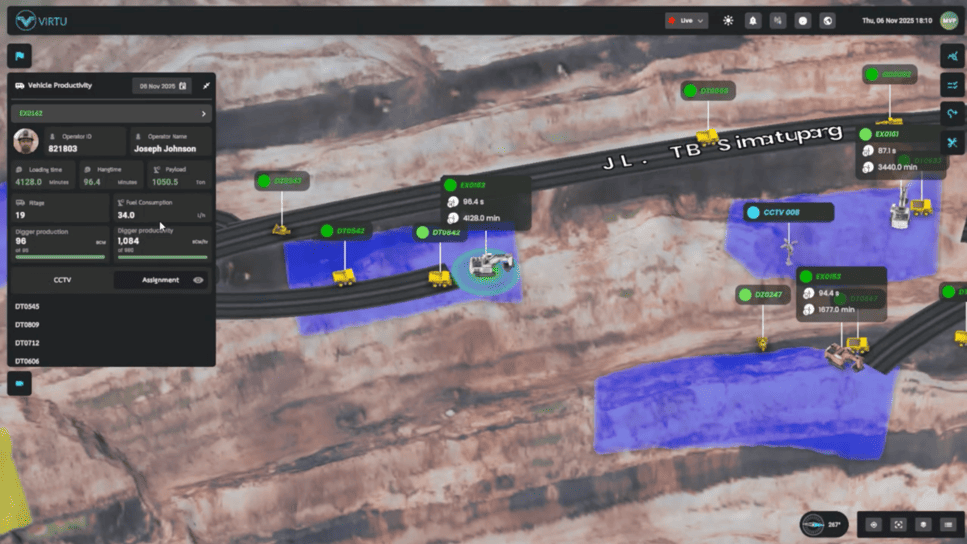
KOMINA is known for its VR training platform for military and law enforcement. On its website, Komando Imersif Indonesia also describes a broader defense solutions ecosystem covering simulation, mission planning, digital twin and command center capabilities.
Two named components of this ecosystem relate to facility security: the Digital Twin Surveillance System and the Tactical Virtual Drill System. This article explains what each is designed to do, based on KOMINA’s published descriptions.
What a Digital Twin Is
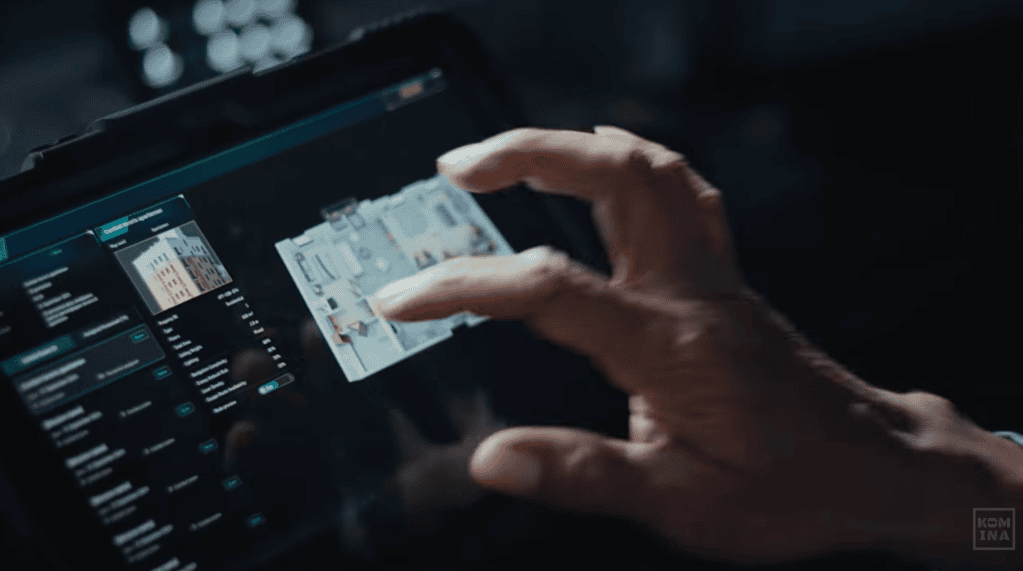
A digital twin is a digital model of a physical asset, such as a building or site, that is connected to data from that asset. In a security context, the model represents the layout of a facility, and data from the facility can be displayed within it.
Security operations often use several separate systems, such as camera feeds, sensor alarms and access control. A digital twin brings information from these systems into one spatial view of the facility.
The Digital Twin Surveillance System
KOMINA describes the Digital Twin Surveillance System as real-time facility monitoring through an interactive digital environment. It integrates cameras, sensors and operational data into a unified situational awareness platform.
In practical terms, the aim is for operators to see where an event is occurring within the facility model, which cameras cover that location, and related operational information, from a single interface.
Possible users include facilities such as government buildings, military installations, airports and industrial sites, where monitoring several systems at once is part of daily operations.
The Tactical Virtual Drill System
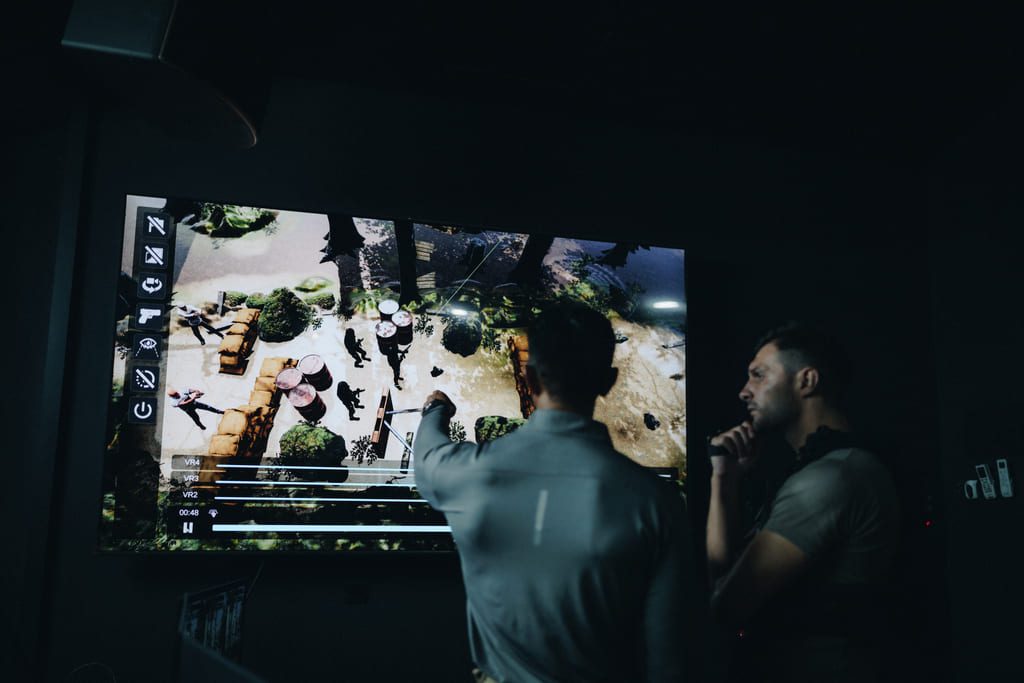
KOMINA describes the Tactical Virtual Drill System as transforming physical facilities into dynamic digital environments for emergency simulations, security planning and coordinated operational response.
This connects to KOMINA’s VR training platform. The platform’s map editor can create structures, terrain and interiors with custom dimensions. A drill system based on an actual facility allows security teams to rehearse incidents in a model of the site they are responsible for.
Possible Drill Types
Based on the scenario and sandbox features of KOMINA’s VR platform, drills built around a facility could include:
- intrusion response and building clearance
- evacuation of key personnel along planned routes
- response to an armed individual or hostage situation
- coordination between on-site security and external police or military units
- testing alternative plans when an entrance or route is unavailable
The sandbox environment allows changes to lighting, weather and threat levels. The NPC spawner can place civilian, hostile and law enforcement agents. The after-action review records movement, decisions and timing, with 3D replay and heatmaps.
Benefits of Linking Monitoring and Training
Using the same facility model for monitoring and for drills means that operators and response teams work from a shared representation of the site. Issues identified during a drill can be reviewed against camera coverage and sensor placement.
The digital model can also be used for planning. Changes to procedures or to the layout of a site can be reviewed digitally before they are implemented physically.
Frequently Asked Questions
Does the system work with existing cameras and sensors?
This depends on the facility. Data integration, existing infrastructure and security requirements need to be discussed with KOMINA for each site.
Who uses each system?
Control room operators would use the surveillance system. Security teams and supporting police or military units would use the drill system. Security managers may use both for planning and review.
Where can detailed specifications be found?
KOMINA provides a brochure on integrated digital operations, available for download from its homepage. KOMINA describes the ecosystem as growing.
Planning Considerations
Organisations considering a digital twin for a facility typically need to prepare:
- accurate floor plans and site layouts
- an inventory of existing cameras, sensors and access control systems
- rules on who can access the model and its data
- responsibility for keeping the model updated when the site changes
KOMINA has also published articles on data security and data sovereignty for VR training systems, which are relevant to how facility data is stored and handled.
Summary
The Digital Twin Surveillance System and the Tactical Virtual Drill System extend KOMINA’s work from personnel training to facility monitoring and site-specific drills. Organisations interested in these systems can request the brochure or a demonstration from KOMINA.