Have you ever stopped to calculate the financial drain of taking heavy machinery offline just to train new hires? In the mining sector, time is a premium asset, and equipment sitting idle equals a massive loss of potential revenue.
Forward-thinking mining operations are ditching this old-school approach. They are unlocking a massive efficiency advantage that slashes overhead and drives up profit margins: Virtual Reality Mining Simulation. No longer just a high-tech gimmick, immersive VR has evolved into a core operational strategy. Here is a breakdown of how this technology directly boosts your bottom line.
1. Slashing Heavy Machinery Operating Expenses
Traditional training forces you to pull excavators and haul trucks out of active duty. That means burning expensive fuel, increasing mechanical wear, and racking up maintenance bills just for practice.
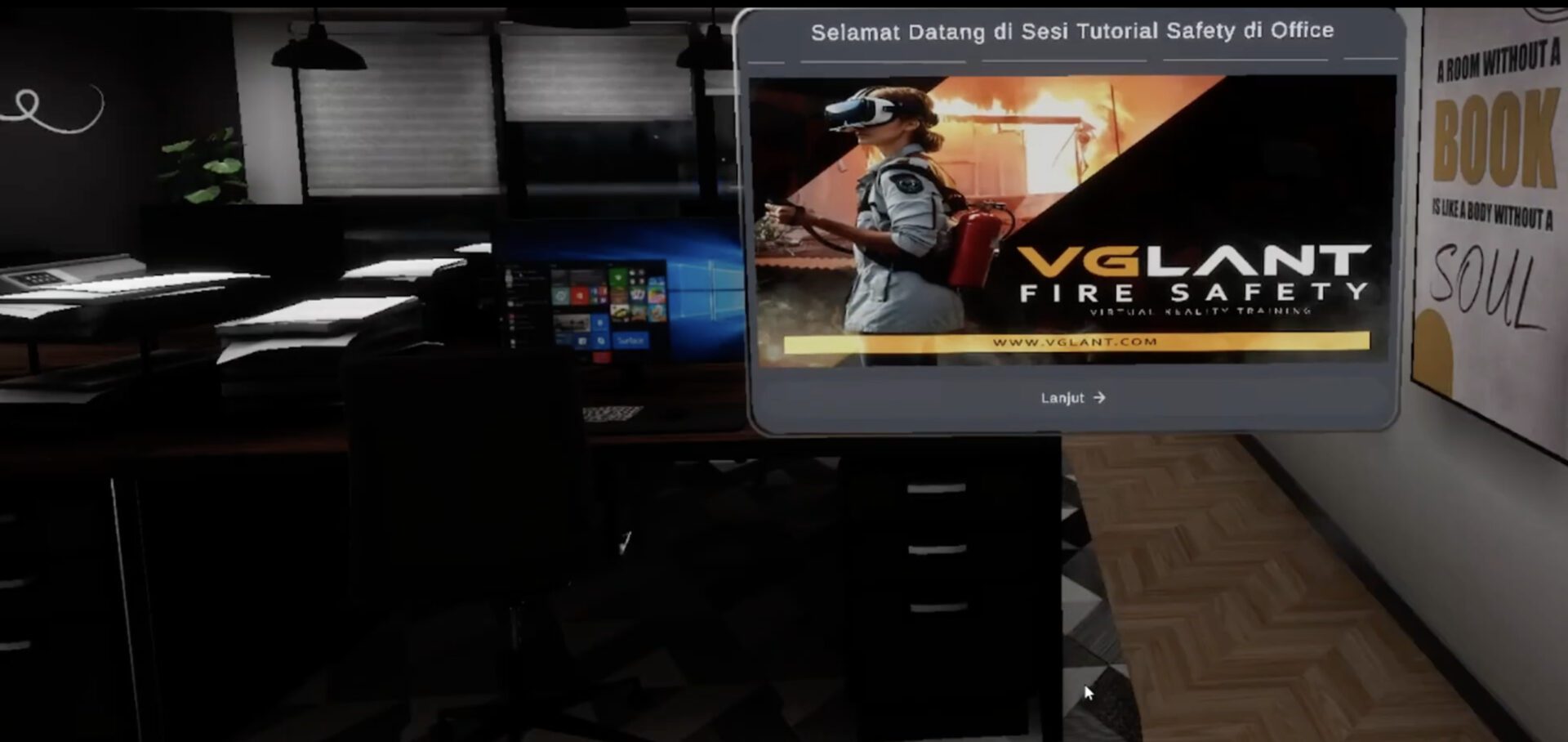
VR simulation flips this dynamic entirely. Trainees can get behind the virtual controls of machinery that looks and handles exactly like the real thing. Your actual fleet stays in the pit, generating income, while onboarding happens safely indoors. When you calculate the fuel and maintenance costs saved over a full year, the financial impact is staggering.
2. Eliminating Financial Blows with Zero-Risk Training
Accidents on a mining site cost more than just money—they risk lives. But from a business perspective, the fallout from medical bills, equipment repair, operational downtime, and compliance fines can be devastating.
By utilizing platforms like VIRTU, crews can train for high-stakes emergencies—like disaster response, confined space entry, or electrical hazards—in a completely zero-risk environment. They are free to fail, learn, and develop vital muscle memory virtually. When they eventually operate actual machinery, their refined instincts drastically lower the chances of costly human errors that drain company funds.
3. Accelerating Output via Unlimited Training Sessions
Old training models are at the mercy of bad weather, equipment availability, and instructor schedules. VR eliminates those roadblocks completely, allowing companies to run unlimited sessions on demand.
More practice time means trainees master standard operating procedures much quicker. Because this onboarding pipeline is significantly shortened, competent operators are deployed to the production line faster, immediately ramping up your daily extraction targets.
4. Verifying Competence with Tracked Data Records
A major flaw in conventional training is guessing whether an operator is actually ready for the field, or if they simply got lucky on a written exam.
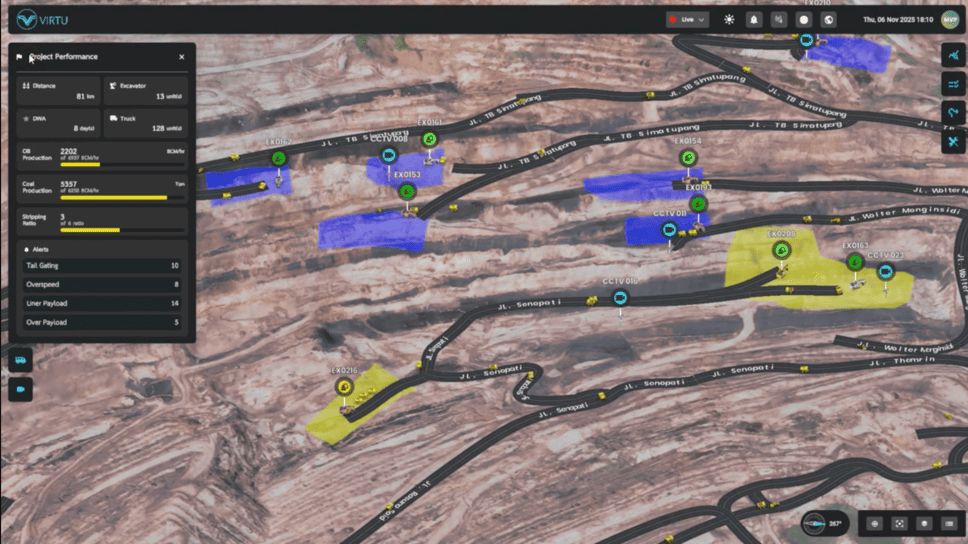
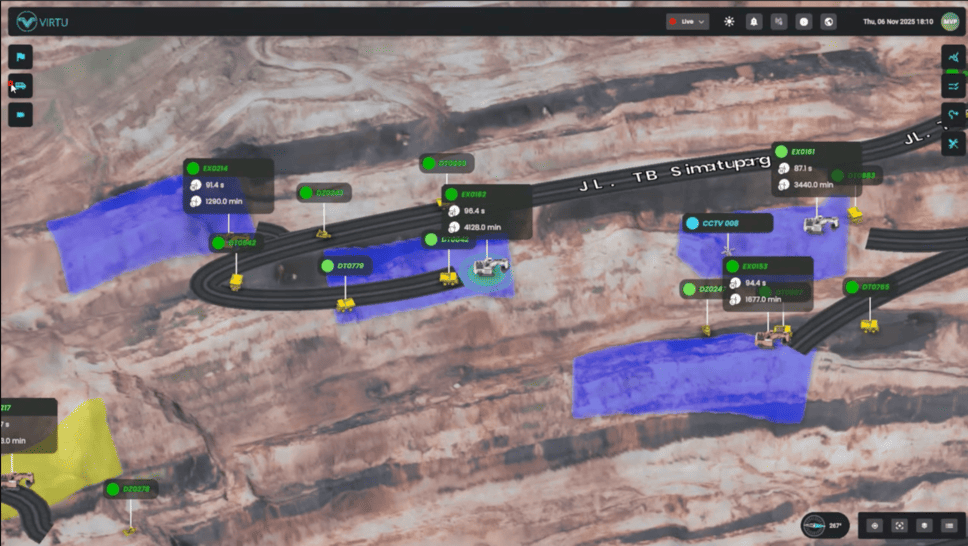
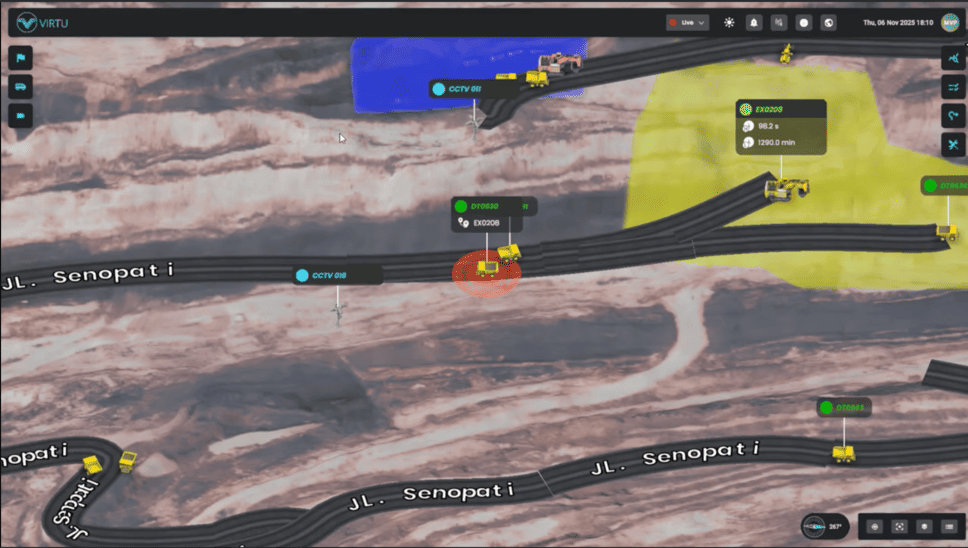
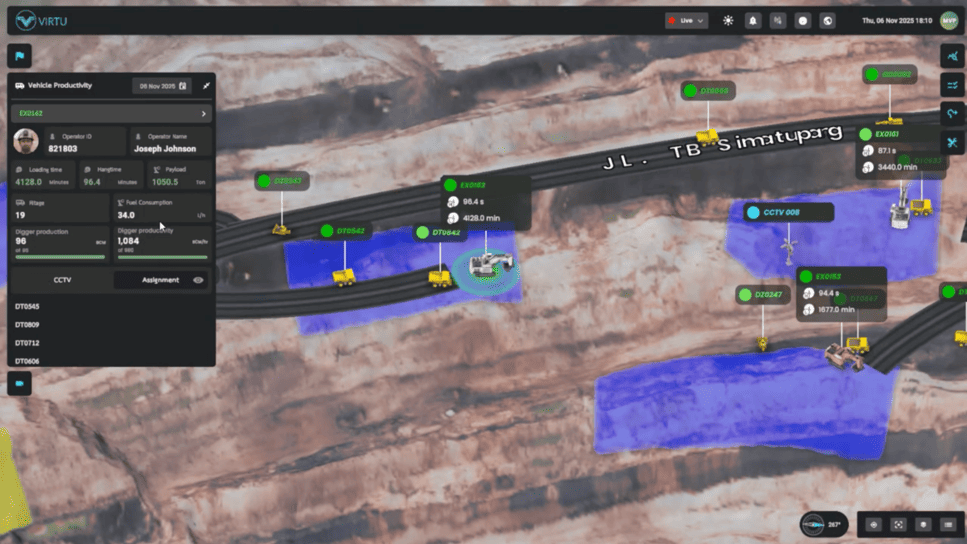
Modern VR setups offer deep analytical insights. Every steer, brake, and split-second decision is logged into an administrator dashboard via Tracked Data Records. Management gets concrete, empirical proof of who is field-ready and who needs more virtual seat time. This precise HR allocation ensures you never waste payroll or risk billion-rupiah assets on underprepared personnel.
Conclusion: Future-Proofing Your Operations
With the extractive industry becoming more competitive by the day, operational efficiency is your best survival tool. Waiting to integrate simulation technology simply hands your competitors the advantage in lowering their production costs.
Partnering with innovators like VIRTU isn’t just about acquiring new software; it’s about establishing a resilient, cost-effective framework for the future. True profitability is forged when theoretical knowledge is seamlessly transformed into precise, on-site action.