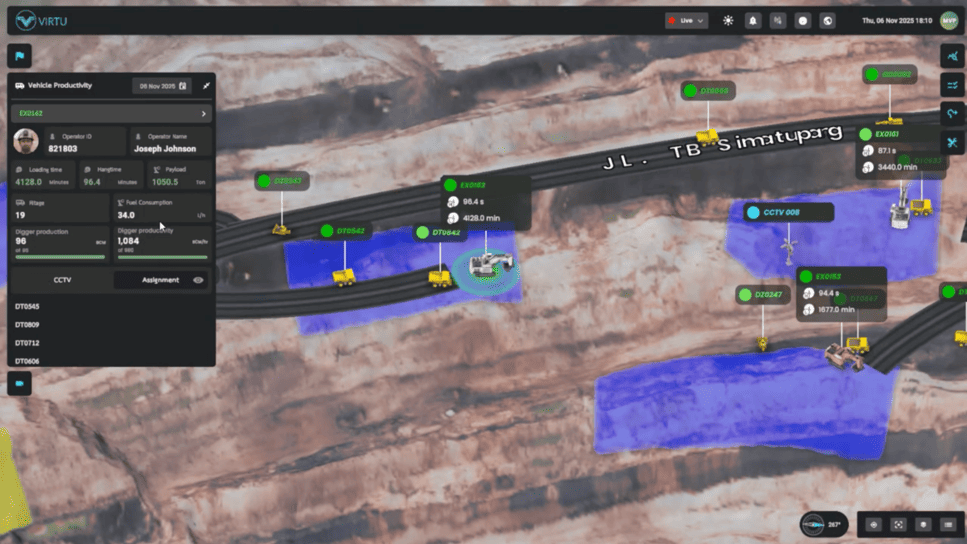
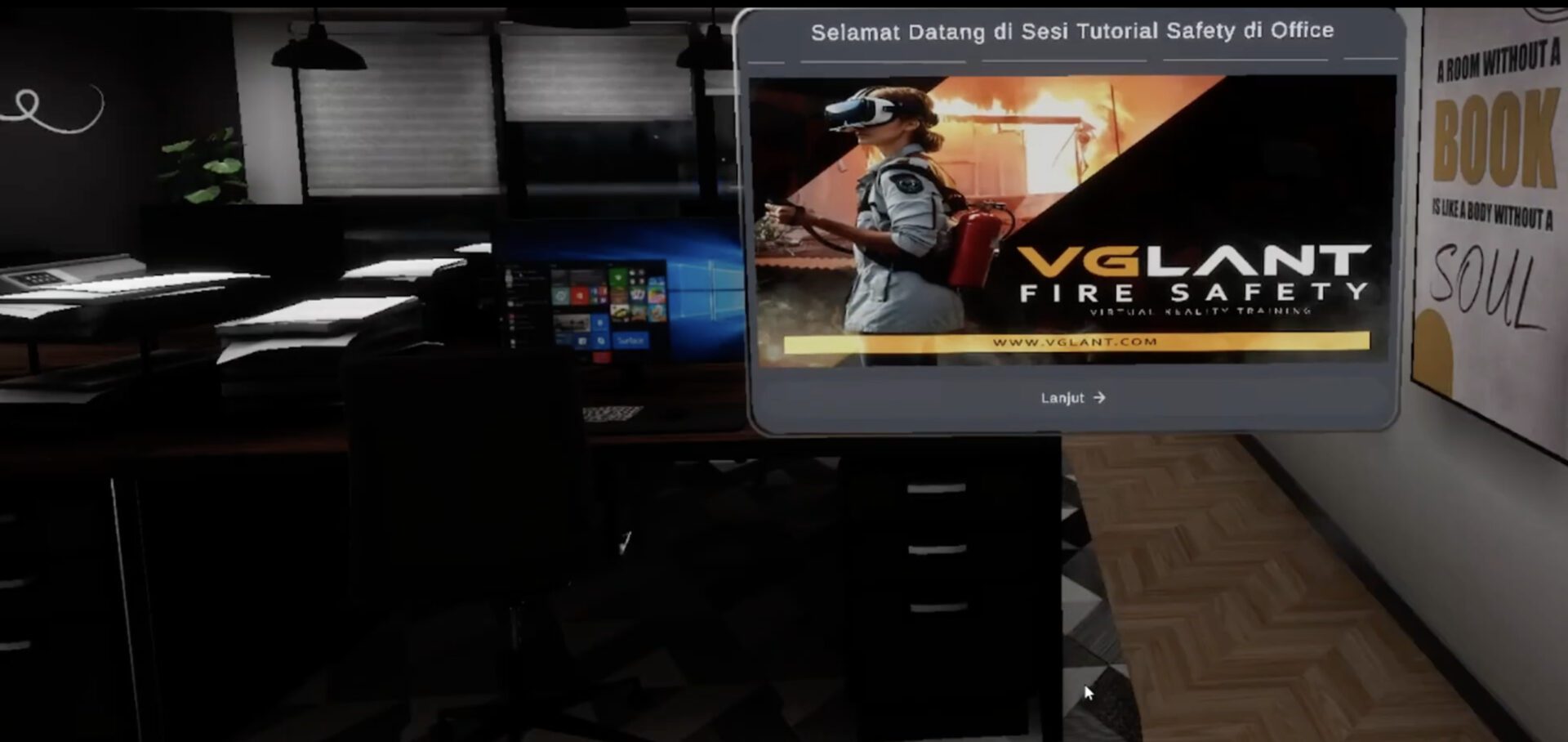
Early simulation technology software had one job: render an environment someone could look at. It didn’t need to know much about the person wearing the headset beyond where they were pointing their view. That was enough when the goal was visual familiarization. It stopped being enough the moment simulation started being used to actually train physical response, not just recognition.
The shift since then has mostly been about closing the gap between a real movement and its digital twin. Reducing latency has been the constant, unglamorous focus — every fraction of a second between a trainee turning their head and the environment catching up is a fraction of a second where the simulation stops feeling real. That’s a harder problem than it sounds, because it isn’t solved once. It gets solved again every time tracking hardware improves enough to catch a smaller movement than it used to.
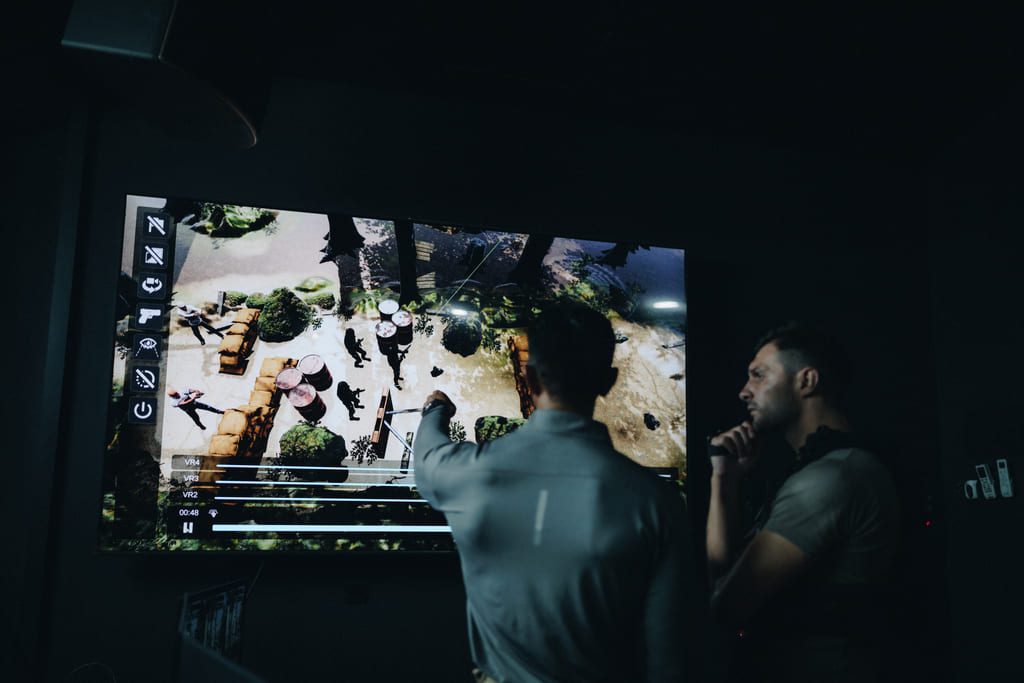
That’s largely what’s changed in the tracking grids themselves. Overhead systems and the individual motion nodes worn on the body are picking up smaller shifts than earlier versions could — a slight rotation of the torso, a subtle change in stance, movement that used to fall below the threshold of what the sensors could register. Catching that level of detail matters because a debrief is only as useful as the data behind it. A digital avatar that mimics a trainee’s actual posture and hesitation, down to small shifts most people wouldn’t consciously notice, gives an instructor something real to point to during technique correction instead of a rough approximation.
Where this heads next is mostly a matter of pushing that fidelity further — smaller sensors, tighter calibration, less lag between the two systems talking to each other. None of it is dramatic on its own. Together, it’s the difference between a simulation that looks convincing and one that actually holds up under the kind of scrutiny a real after-action review demands.
To explore the hardware behind these advancements in spatial tracking, check the specifications at komina.co.