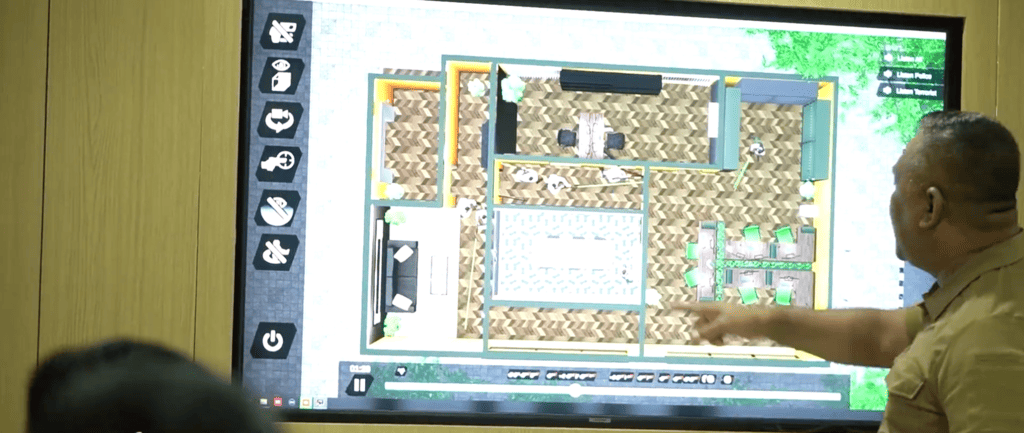
In a high-stakes emergency, such as a flash fire in a chemical plant or a sudden electrical surge in a busy office, hesitation is the primary cause of casualty. For decades, organizations have relied on passive training methods: instructional videos, static PowerPoint presentations, or physical drills that lack the sensory urgency of a real crisis. These traditional methods fail to prepare the human brain for the “fight or flight” response, often leaving employees paralyzed when a real alarm sounds.
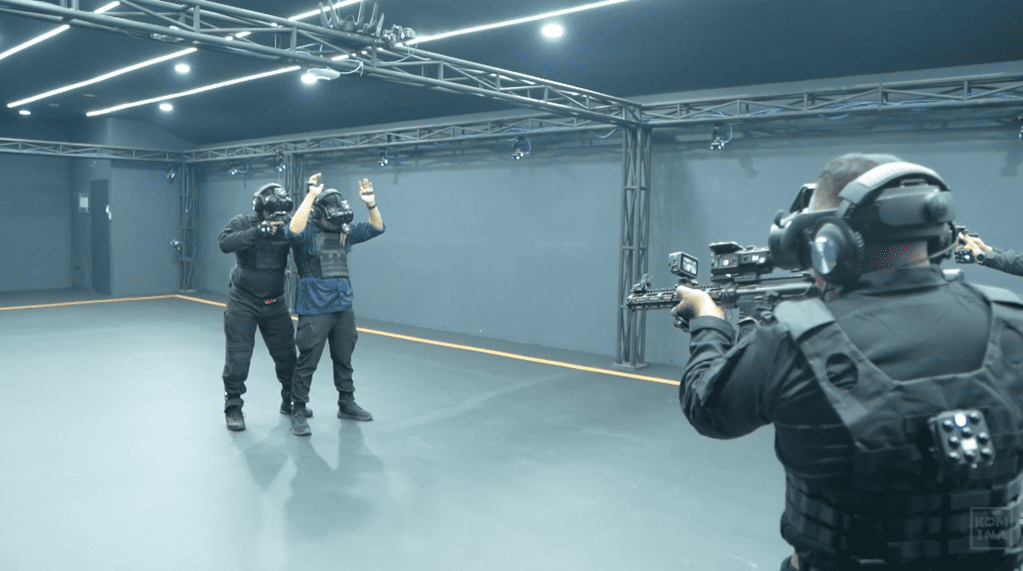
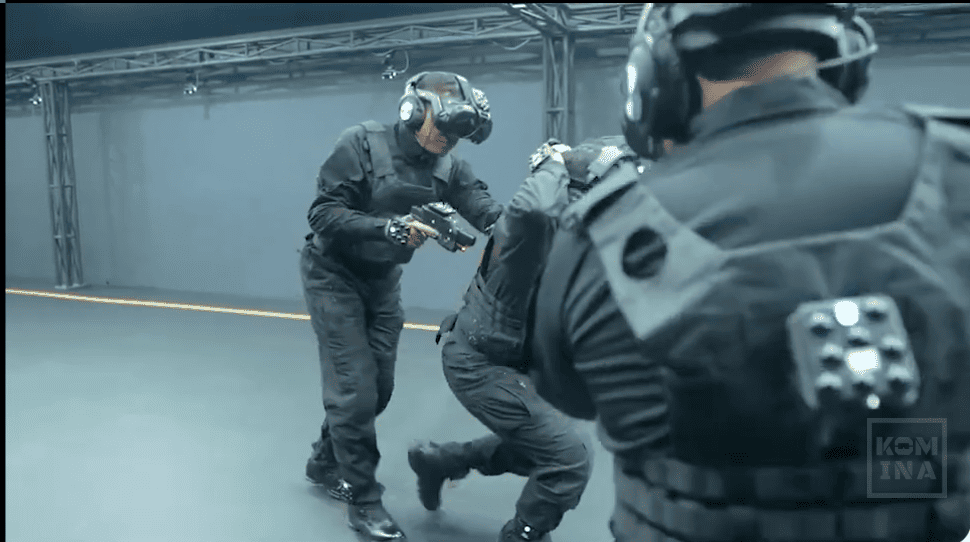
VGLANT (vglant.com) is bridging this gap by redefining the safety paradigm. Through a 360° Immersive Experience, we move beyond simply “explaining” safety protocols. We allow your personnel to live them. In the VGLANT virtual world, the smoke is thick, the heat is implied, and the pressure is palpable—but the risk is absolutely zero.
Building Muscle Memory: The Science of the “First Response”
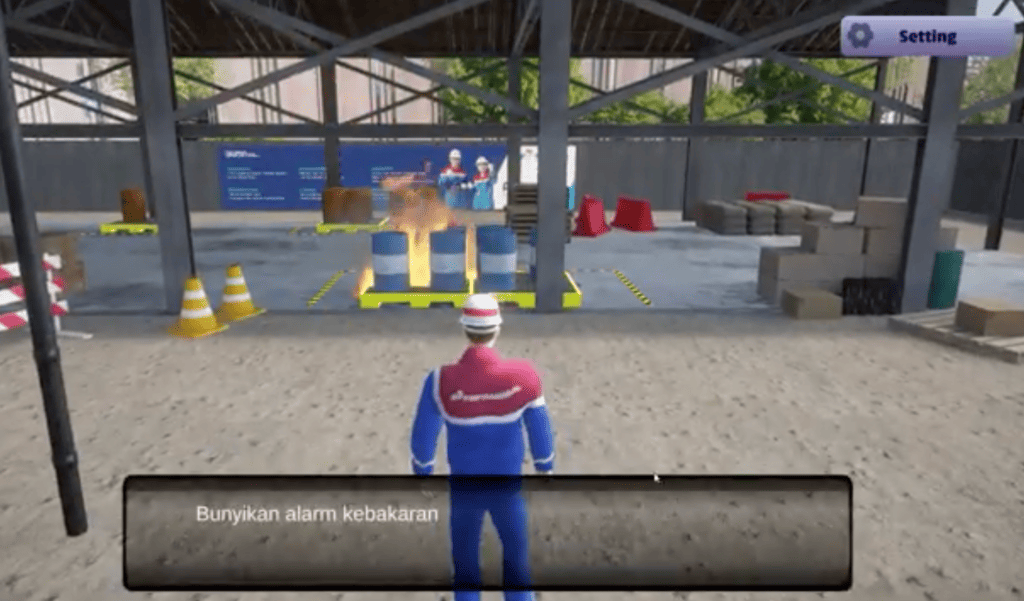
The most critical moment of any fire incident is the first 60 seconds. Does your team know where the nearest APAR (Alat Pemadam Api Ringan) is? Even more importantly, do they know which one to pick? Attempting to extinguish an electrical fire with a water-based extinguisher can be a fatal mistake.
VGLANT’s specialized VR fire safety modules take trainees through a rigorous, step-by-step progression:
Detection & Assessment: Spotting the fire in its early stages and identifying the source (Electrical, Chemical, or Solid).
Selection & Ergonomics: Physically selecting the correct extinguisher. Our Tube VR Control Set is designed to mirror the weight and mechanical feel of a real extinguisher, ensuring the user learns the physical “pull-aim-squeeze-sweep” (PASS) technique.
Active Extinguishing: Trainees must maintain the correct distance and aim at the base of the fire. The simulation reacts in real-time to their accuracy and spraying behavior.
Safe Evacuation: If the fire becomes uncontrollable, the simulation transitions into a self-evacuation module, teaching trainees to navigate low-visibility environments while staying below the smoke line.
Zero Safety Incidents, Unlimited Training Cycles
One of the greatest hurdles for safety managers is the cost and risk of live-fire training. Setting a controlled fire requires permits, specialized facilities, and carries an inherent risk of injury. With VGLANT, you can conduct high-intensity training in a standard breakroom or office space with zero safety incidents.
Our All-in-One Pelican Case solution makes this transition seamless. It is a portable, high-spec workstation that includes:
High-definition VR headsets and haptic controllers.
Built-in monitoring screens for instructors.
Integrated audio and rapid charging stations. This portability allows for “Unlimited Sessions”—personnel can repeat a scenario until their response becomes an instinctive habit, not just a remembered theory.
Data-Driven Safety: The Administrator Dashboard
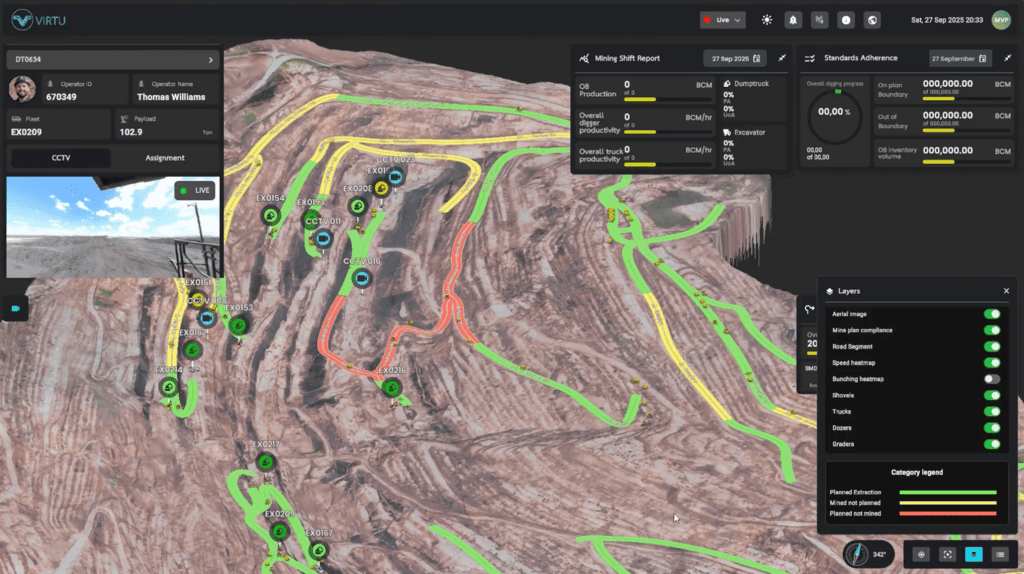
What sets VGLANT apart is our commitment to Tracked Results. Every action taken within the VR environment is recorded and uploaded to a centralized administrator dashboard. Safety officers can analyze detailed Tracked Data Records to identify specific training gaps:
Response Time: How long did it take for the trainee to reach the extinguisher?
Accuracy & Technique: Did they spray the flames or the base?
Procedure Compliance: Did they remember to call for help before engaging the fire? These actionable insights allow organizations to scale their training effectively and provide targeted coaching to those who need it most.
Creating a Proactive Safety Culture
From gas stations and commercial kitchens to mining sites and industrial factories, the VGLANT mission is to transform “knowledge into action.” By utilizing our Bespoke Services, we can even build custom VR environments that match your specific facility’s layout, ensuring your team is training in the exact halls they walk every day.
Don’t wait for a real emergency to find out if your training works. With VGLANT, your team will act with confidence, backed by the muscle memory of a thousand successful virtual rescues.